Maturing into the Fullness of Righteousness
Bishop Beau Barton
Courts of Praise · July 19, 2026
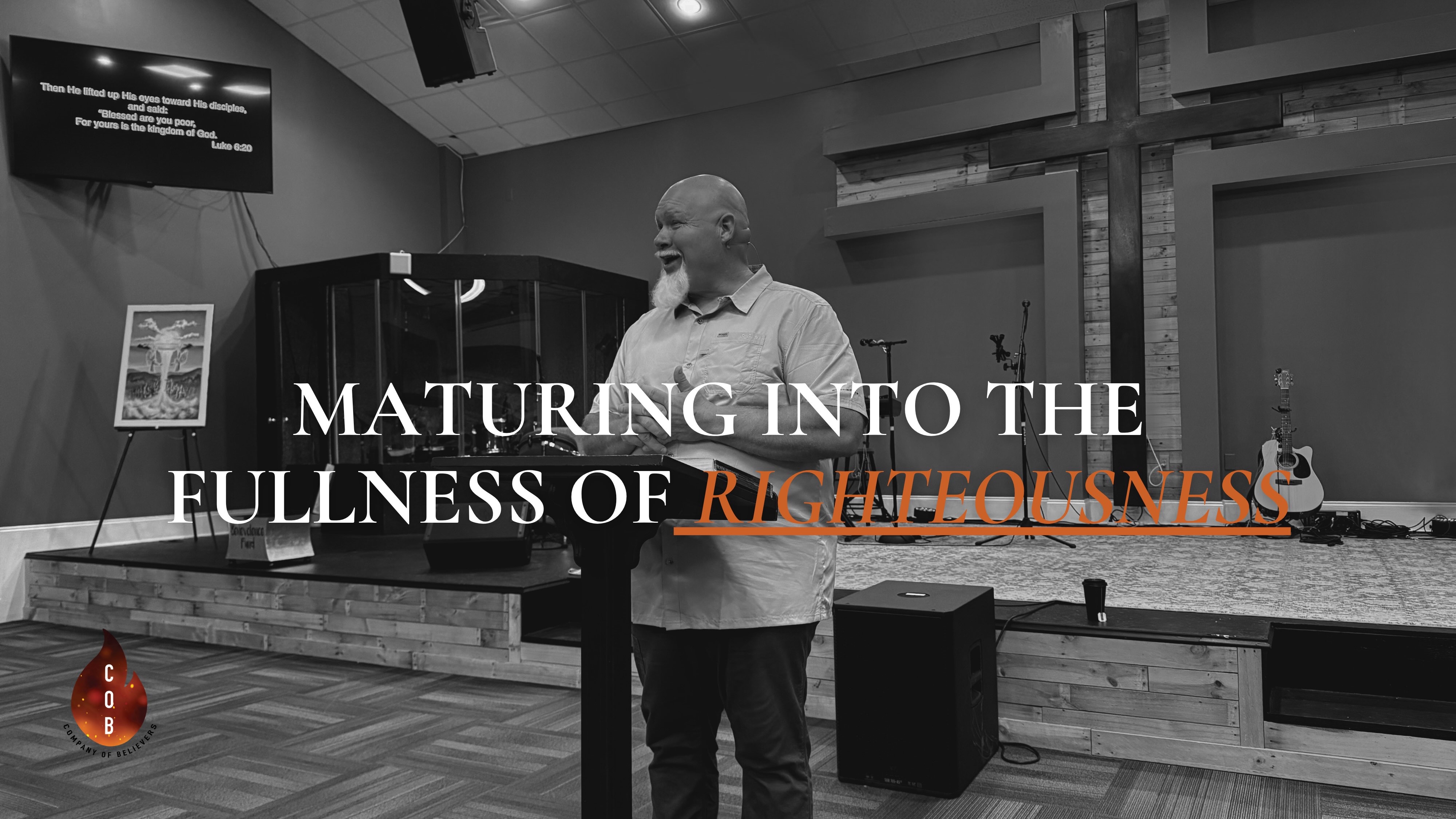
You know the version of yourself you're supposed to be by now. The patience you should have with your kids. The way you should respond when someone wrongs you. The maturity that should show up when nobody's watching. And most days, you're still working on it — not because something's wrong with you, but because growing into who God called you to be was never supposed to happen overnight.
Bishop Beau Barton preached this message at Courts of Praise on July 19, 2026, walking through Luke 6:17-49 — the passage where Jesus comes down from the mountain, stands on level ground with the crowd, and lays out what real blessing, real love, and real maturity actually look like for the people who've decided to follow him.
“He came down with them and stood on a level place. He made himself accessible.”
— Bishop Beau Barton
Blessed Looks Different Than You Think
“Blessed are you poor, for yours is the kingdom of God. Blessed are you who hunger now, for you shall be filled. Blessed are you who weep now, for you shall laugh.”
— Luke 6:20–21
Bro Beau made the point directly: being blessed in this passage has nothing to do with a full bank account or an easy week. “Poor in spirit” means admitting there's nowhere else to turn — the same posture as the widow in Luke 18 who has one source of help and appeals to nobody else. Most of us in this room aren't literally poor or literally starving. But we can still choose the posture: everything I need, you have. I am hungry, and what I need, you have. I am poor, and everything I need, you have.
That's not a downgrade. It's the doorway into the kingdom of God. The alternative — building your identity on what you've accumulated — is the very thing that quietly diminishes God in a person's own eyes over time. Bro Beau put it plainly: most people, when they receive the things they've asked for, let God begin to be diminished in their own eyes, and they begin to drift. Blessing was never meant to replace him. It was meant to point back to him.
Kindness Nobody Owes Back
“But love your enemies, do good, and lend, hoping for nothing in return; and your reward will be great, and you will be sons of the Most High. For He is kind to the unthankful and evil. Therefore be merciful, just as your Father also is merciful.”
— Luke 6:35–36
The hardest command in the whole passage isn't about your enemies in the abstract — it's about the specific person in your life who has taken advantage of your kindness and never said thank you. “I've come to find out that the people we usually end up helping the most are the most ungrateful people I meet,” Bro Beau admitted. “And it's just true.”
That's exactly where Jesus draws the line between the sons of God and everyone else. Loving people who love you back is easy — even people who don't know God do that much. What marks a son or daughter of the Most High is kindness that doesn't wait for reciprocity, because that's the same kindness the Father has already shown every one of us. We were ungrateful. We were, whether we realized it or not, evil — with a different father altogether — before the blood of Jesus changed everything. Mercy was never something we earned. It's not supposed to become something we ration out to people who've earned it either.
Growing Into the Teacher
“Can the blind lead the blind? Will they not both fall into the ditch? A disciple is not above his teacher, but everyone who is perfectly trained will be like his teacher.”
— Luke 6:39–40
Bro Beau didn't let anyone in the room, including himself, off the hook on this one. “None of us started this journey out perfect in our maturity,” he said. “Every one of us started out perfect in righteousness, in holiness, but now we've got to mature into who we are.”
That means staying correctable matters more than looking finished. “I want to be corrected, I want to be taught,” Bro Beau said. “I refuse to let that not be what governs me.” A disciple who won't let anyone speak into their blind spots isn't mature — they're just confident, which isn't the same thing.
A House That Holds
“But why do you call Me ‘Lord, Lord,’ and not do the things which I say? Whoever comes to Me, and hears My sayings and does them, I will show you whom he is like: he is like a man building a house, who dug deep and laid the foundation on the rock. And when the flood arose, the stream beat vehemently against that house, and could not shake it, for it was founded on the rock. But he who heard and did nothing is like a man who built a house on the earth without a foundation, against which the stream beat vehemently; and immediately it fell. And the ruin of that house was great.”
— Luke 6:46–49
The message ends with a question nobody gets to avoid: why call him Lord and not do what he says? Bro Beau's answer was direct — “I am the sole person responsible for not hearing that, by decisions made in my heart.” Calling Jesus Lord is a declaration. Obeying him is the foundation. One without the other is a house with nothing under it.
The two builders in this parable didn't face different storms. They faced the exact same flood. The only difference was what was underneath the house when it hit. Hearing the word and never acting on it doesn't just fail to help — it leaves nothing standing when the pressure comes.
A Note for This Week
- Name one person this week who hasn't earned your kindness, and extend it anyway.
- Ask someone who has permission to speak into your life whether they see a blind spot you've missed.
- Pick one thing from this message you've heard before but haven't obeyed yet, and do it before next Sunday.